The Shri Narsingh Yantraraj is not seen merely as a sacred geometric design, but as a structured representation used in Vedic spiritual tradition to symbolize divine order and energy flow. Each line, symbol, and section within the yantra is understood as reflecting deeper spiritual and cosmic principles.
This sacred diagram is associated with elements such as:
When placed in a dedicated space such as a home, temple, or workplace, and used as part of devotional practice, it is believed to support a focused and positive spiritual environment. In traditional belief, it helps individuals cultivate clarity, reduce fear, and maintain inner balance while addressing perceived planetary or karmic influences.
The internal structure of the Yantra follows traditional shastra-based design principles, symbolizing different layers of spiritual and cosmic energy:
Each element is understood in spiritual tradition as contributing to focused meditation and devotional alignment, helping the practitioner cultivate clarity, courage, discipline, and a sense of inner balance inspired by the devotion of Prahlad and the protective symbolism of Lord Narasimha.
| Symbolic Layer | Vedic Meaning |
|---|---|
| 📜 Diagram Explained | Visual breakdown of all layers |
| 🌟 27 Nakshatras | Lunar constellations for destiny |
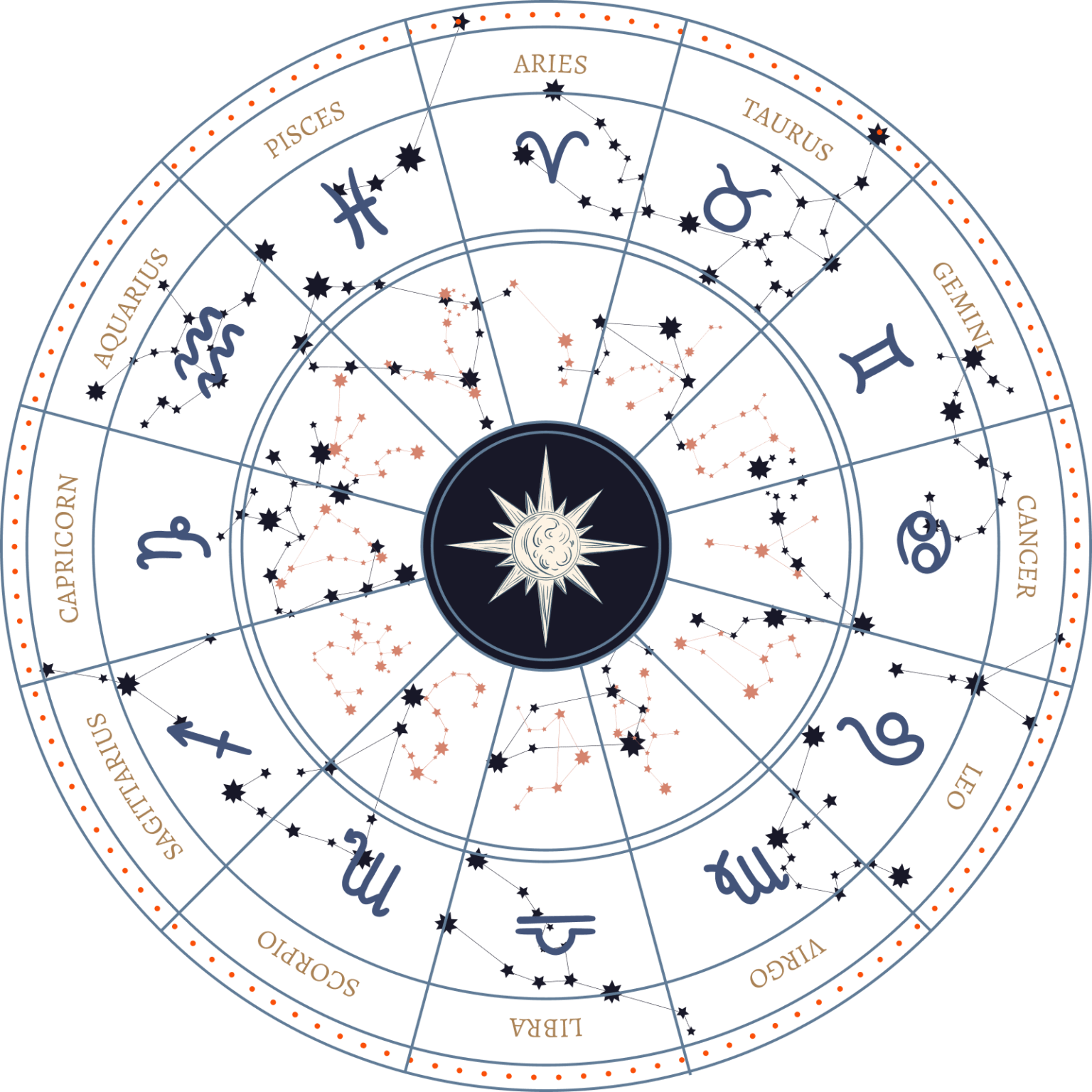
| 🔯 12 Rashis | Zodiac-based life influences |
| 🪐 9 Grahas | Planetary forces and dosha impact |
| 🌙 16 Tithis | Phases of the moon and their energies |
| 🗓️ 13 Months | Adhik maas and time-based activation |
| 🔥 5 Elements | Panchtattva balance for body-mind |
| 🕉️ 7 Days | Daily planetary lords |
| 💫 Omkaar & Tridev | Divine core: Brahma, Vishnu, Mahesh |
WhatsApp us